Triathlete Marathon Runner Running: A Designer's Review
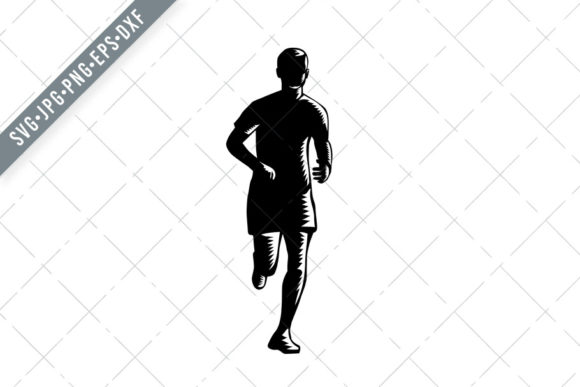
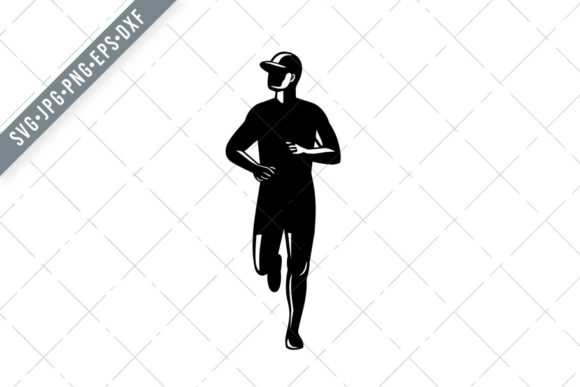
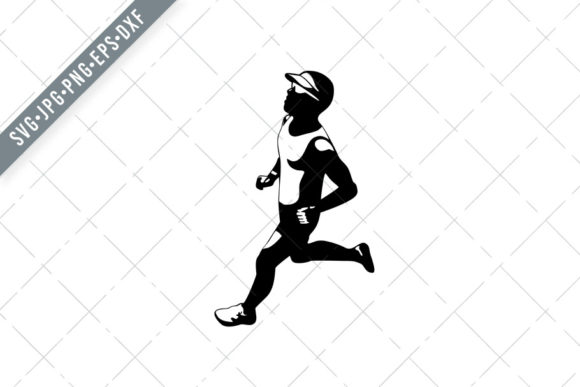
When I first opened the file for Triathlete Marathon Runner Running, my immediate thought was about the energy it conveys. As someone who has spent years evaluating embroidery designs for real-world application, I look past the pretty preview image and focus on how a design will actually behave under the needle. This illustration of a triathlete marathon runner facing side view with buildings in the background set inside a circle is not just a generic graphic; it carries a specific retro style that demands careful consideration before hitting the start button on your machine.
The concept is solid. The side profile of a runner implies motion and determination, while the circular framing gives it a badge-like quality that works exceptionally well for branding or personalization. However, the presence of buildings in the background adds a layer of complexity that can make or break the final stitched result. In this review, I am going to walk you through exactly how I see this design performing when moving from a digital screen to a tangible finished product.
First Impressions and Visual Personality
The retro aesthetic is the strongest selling point here. It feels nostalgic yet modern, which is a difficult balance to strike in embroidery. When you are looking at Triathlete Marathon Runner Running, the mood is one of grit and endurance. It doesn't feel like a fleeting trend; it feels like something that belongs on a vintage race shirt or a high-quality commemorative patch. The isolated nature of the design means it will stand out clearly against most backgrounds, but the "buildings in background" element requires us to think about stitch density and detail resolution.
For the creative entrepreneur or Etsy seller, the visual appeal is crucial. Customers want to see a design that looks professional and intentional. This piece has a strong identity. The circular layout suggests unity and completeness, making it perfect for logos or centerpieces on garments. If you are a small business owner creating merchandise for a local running club or a boutique fitness studio, this design offers the kind of personality that helps build brand recognition. It isn't just a picture of a person; it is a statement of lifestyle.
Real-World Application: From Screen to Stitch
Let's imagine a practical scenario. You have a client who runs marathons and wants a custom embroidered tote bag for their next race day event. They need something durable, stylish, and representative of their journey. I would immediately consider Triathlete Marathon Runner Running for this project. The circular composition fits perfectly on a standard tote bag panel without overwhelming the canvas. The retro style pairs beautifully with natural cotton or heavy-duty canvas, giving the bag a curated, artisanal feel.
However, if you are thinking about using this for a baby item, like a onesie or a soft blanket, the approach changes slightly. The intricate details of the buildings might be too small for a tiny hoop, potentially causing the fabric to pucker or the lines to blur. For baby embroidery, simplicity often reigns supreme. While the runner figure itself is likely clear, the background architecture could get lost in the softness of baby fabrics. In this case, you might prefer to use this as a larger accent on a sweatshirt or a pillow cover where the scale allows the details to breathe.
I also see this design thriving on an embroidered patch. The clean lines of the runner and the defined circle create a natural border that holds up well to edge stitching. If you are a craft fair vendor, these patches could be sold as standalone accessories or attached to denim jackets and backpacks. The versatility is high, provided you respect the limitations of the stitch types involved.
Navigating Technical Challenges
As an experienced reviewer, I must address where this design needs caution. The primary concern lies in the "buildings in background." Depending on the specific file setup, these architectural elements may require fine satin stitches or tight fill stitches. If the stitch density is too high for the fabric type, you risk thread breaks or a stiff, uncomfortable finish. This is particularly true for textured fabrics like fleece or terry cloth, where the needle might struggle to penetrate evenly.
If you plan to embroider this on stretchy fabric, such as athletic wear or jersey knits, you will need to be diligent with stabilizer usage. Without proper support, the tension required to stitch the detailed background could cause the fabric to warp, distorting the runner's posture. Similarly, working on dark fabric presents a challenge. Unless you are using a high-density underlay or a light-colored thread palette, the buildings might disappear into the darkness of the garment. Always test the contrast by placing a white card over the design in your digitizing software before committing to the final colors.
Small hoop sizes are another area where judgment is key. If your machine only accommodates 4x4 hoops, you may find yourself cropping the building details to fit the frame. This would ruin the intended composition. Ensure your hoop size matches the design dimensions to preserve the full artistic intent. For curved surfaces like caps, the curvature can distort the perspective of the runner and the background, so flat surfaces like aprons, kitchen towels, or flat-brimmed hats are generally safer bets for maintaining the design's integrity.
Impact on Product Value and Brand Trust
In the world of handmade products and commercial embroidery, the quality of the stitch directly influences customer trust. A blurry, poorly executed design can make a $50 sweatshirt look cheap, regardless of the material used. Triathlete Marathon Runner Running has the potential to elevate a product line, but only if executed correctly. When the lines are crisp and the colors pop, the finished product feels premium. It signals to the buyer that you care about the details, which justifies higher price points.
For digital product sellers offering printable mockups, this design is a valuable asset. It allows you to showcase realistic previews of what a client's order will look like. The retro style is timeless enough to remain relevant for seasons, making it a safe investment for your design assets library. Whether you are creating holiday gifts, wedding favors, or personalized corporate swag, the ability to present a clean, professional-looking embroidery file builds confidence in your service.
Essential Notes for the Embroidery Designer
Before you start stitching, there are several practical steps you must take to ensure success. First, always test the design on scrap fabric that matches your final project in weight and texture. This is non-negotiable. Check the thread color contrast carefully; sometimes a design that looks great in RGB on your monitor fails in CMYK or actual thread. Review the stitch density to ensure it isn't too dense for the chosen fabric, and confirm the hoop size requirements to avoid cropping issues.
Inspect small details closely. Are the windows in the buildings distinct, or do they merge into a blob? If they are too small, consider simplifying the design or adjusting the stitch settings. Test the design in black and white mockups to see if the silhouette remains strong even without color. Compare how it looks on both light and dark fabric backgrounds to determine the best thread palette.
Use the proper stabilizer for your fabric type. For lightweight materials, a cut-away stabilizer provides necessary stability, while tear-away might suffice for heavier wovens. Finally, verify whether the design works for both personal and commercial projects. If you intend to sell finished items featuring Triathlete Marathon Runner Running, you must confirm the licensing terms explicitly mentioned in the product description. Do not assume you have the right to resell; check the file documentation to ensure you are compliant.
This design is a powerful tool for any maker looking to add depth and character to their work. By approaching it with a critical eye and respecting its technical nuances, you can transform a simple SVG file into a stunning piece of wearable art that resonates with runners and enthusiasts alike.