Mandala Art Ornament: A Designer's Real-World Embroidery Review
When I first opened the Mandala Art Ornament, my immediate reaction wasn't about the file formats or the vector quality, though those are important. It was about the mood. There is a specific energy in a mandala that feels both grounding and expansive, and this design captures that circular rhythm perfectly. As someone who spends hours testing designs on everything from stretchy hoodies to delicate baby onesies, I look for more than just pretty lines; I need to know how a design behaves under the needle. This piece of digital art feels ready for the hoop, but like any good designer knows, the devil is in the details.
The First Stitch: Visual Personality and Layout
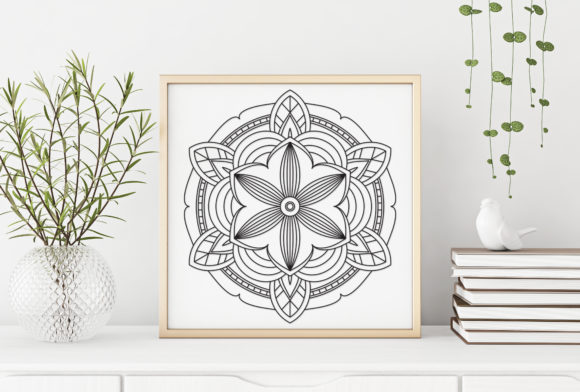
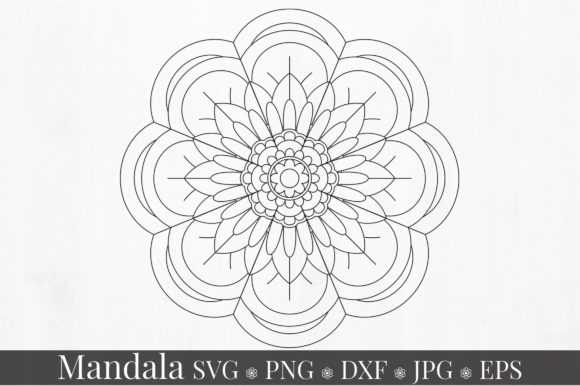
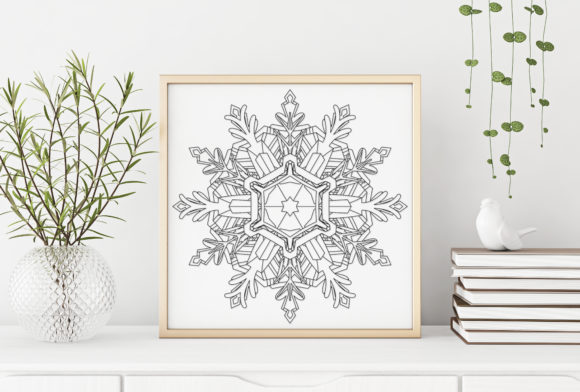
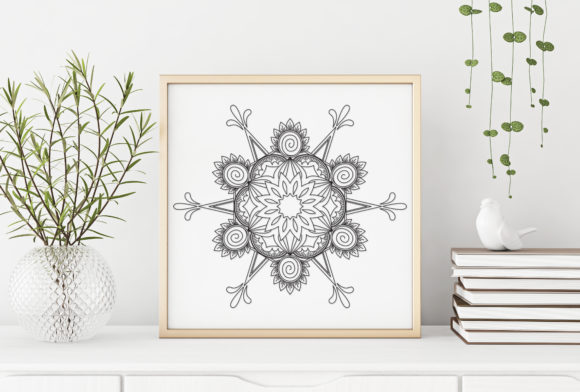
The Mandala Art Ornament presents itself as a classic circular lace pattern isolated on a white background. For an embroidery designer, the isolation is crucial because it means you aren't fighting with extraneous elements when you import the file into your digitizing software. The layout is balanced, which is exactly what you want for a centerpiece on a tote bag or a focal point on a nursery wall hanging. The intricate nature of the mandala suggests a high level of detail, which immediately raises questions about stitch density and thread breaks.
In terms of visual appeal, this design screams "handmade product" without trying too hard. It has a bohemian yet structured feel that fits seamlessly into modern boutique branding. Whether you are creating a custom apparel line or making personalized gifts for friends, this graphic offers a sophisticated aesthetic that elevates the perceived value of the finished item. It isn't just a shape; it is a statement of craftsmanship.
Real Project Scenario: The Boutique Tote Bag
Let's talk about a real-life scenario. Imagine you are prepping for a craft fair or launching a new collection on Etsy. You have a batch of natural canvas tote bags, and you want to add a unique touch that stands out on social media. You decide to use the Mandala Art Ornament as the main graphic.
This is where the design truly shines. The circular symmetry works beautifully on the front pocket of a tote, drawing the eye immediately. Because the pattern is open enough to breathe but detailed enough to be interesting, it translates well to machine embroidery. If you choose a contrasting thread color, like a deep indigo or a soft sage green against the natural canvas, the Mandala Art Ornament will pop. It creates a sense of artisanal quality that customers associate with higher price points. Unlike generic clipart, this design feels intentional, which builds trust with buyers who are looking for authentic, handmade goods.
However, if you were planning to put this on a small embroidered patch for a denim jacket, you would need to be careful. The complexity might get lost if the patch is smaller than three inches. In that case, it serves better as a decorative accent on a larger surface area, like a sweatshirt chest or a pillow cover.
Technical Performance and Fabric Considerations
When evaluating the Mandala Art Ornament for actual stitching, we have to consider the mechanics of the machine. Mandala patterns often rely on a mix of satin stitches for outlines and fill stitches for the interior sections. If the design is not digitized correctly, the dense areas can cause puckering, especially on lightweight fabrics.
I recommend testing this design on scrap fabric before committing to your final project. Pay close attention to the stitch density. If the center of the mandala is too packed with thread, it may become stiff and lose its drape, which is a dealbreaker for items like baby clothes or aprons that need to remain flexible. On the other hand, if the design is too sparse, it won't hold its shape well over time.
Fabric texture plays a massive role here. The Mandala Art Ornament looks stunning on smooth, stable fabrics like cotton duck or linen. However, if you try to embroider this on a stretchy jersey knit or a textured fleece without proper stabilizer, the circular shape could distort. The tension required to pull the threads tight for the intricate lace-like details might cause the fabric to gather unevenly. Always use a cut-away stabilizer for permanent projects to ensure the design remains crisp after multiple washes.
Where to Use It Carefully
- Small Hoop Sizes: If your design includes tiny inner details, a 4x4 hoop might force you to split the design, which can result in visible jump stitches or misalignment.
- Curved Surfaces: While great for flat items, applying this to a cap requires a specialized cap frame and careful hooping to avoid distorting the circle.
- Dense Stitch Areas: Avoid using this for very small accents where the detail might turn into a solid blob of thread.
- Dark Fabrics: If you are working on dark materials, ensure you have a high-quality underlay to prevent the design from sinking into the fabric.
Impact on Brand Consistency and Customer Trust
For the Etsy seller or small shop owner, every element of the product matters. Using a clean, professional design like the Mandala Art Ornament signals to your customers that you care about quality. When a buyer receives a personalized gift or a commercial embroidery piece that features a sharp, well-executed mandala, they perceive the brand as reliable.
This design asset is versatile enough to be used across various mediums. You can create a printable mockup for your online store using the PNG file to show potential buyers how the Mandala Art Ornament looks on different products. This helps manage expectations and reduces return rates. The clarity of the vector file ensures that whether you are scaling the design up for a large wall banner or down for a keychain tag, the integrity of the artwork remains intact.
Practical Notes for the Designer
Before you start stitching, there are a few critical steps to take. First, review the thread colors you plan to use. The mandala's intricate lines require high contrast to be legible. Low-contrast threads can make the design look muddy once stitched. Second, confirm the hoop size needed for your intended project. If the design is large, you may need to split it into multiple hoops, which adds time and complexity to the production process.
Don't forget to check the licensing terms. If you intend to sell finished products featuring this design, you must ensure you have the commercial rights. Many digital embroidery files come with restrictions that allow personal use only. Verify these details to protect your business. Additionally, test the design in black and white mockups to see if the shapes hold up without the distraction of color.
Finally, inspect the small details closely. Sometimes, fine lines in a mandala can break easily during the stitching process if the machine tension is off. Adjusting the tension slightly or using a higher quality thread can make a significant difference in the final appearance.
Ultimately, the Mandala Art Ornament is a strong candidate for any embroidery project that aims for elegance and detail. It bridges the gap between digital art and tangible craft beautifully. By understanding its strengths and limitations, you can transform this simple graphic into a standout feature for your next handmade product, ensuring that your work speaks volumes about your skill and creativity.