Mandala Art Coloring: A Designer's Real-World Embroidery Review
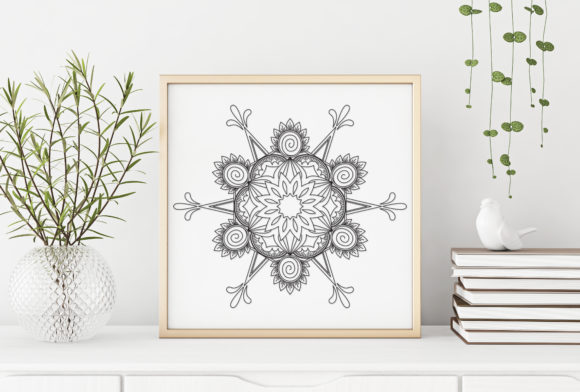
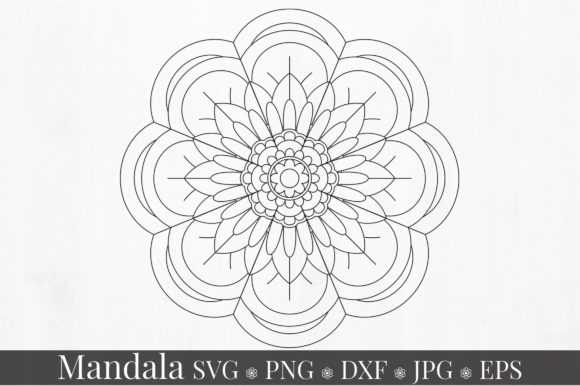
When I first opened the Mandala Art Coloring file, my initial reaction was one of quiet appreciation for its symmetry. In a market flooded with chaotic, over-stitched designs, this circular lace ornament stands out because it respects negative space. As an experienced designer who reviews files daily for client projects and my own small shop, I look for more than just pretty lines; I need to know if a design will hold up under the needle and translate well into a finished product that customers actually want to buy.
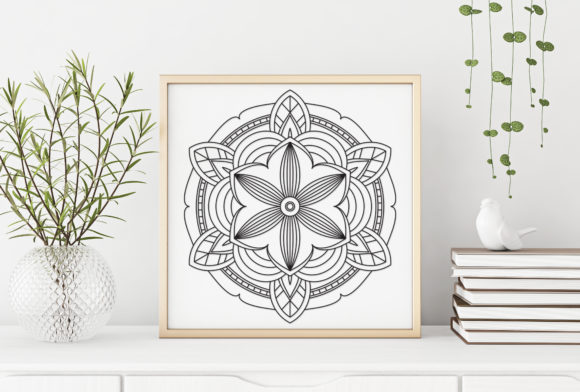
The visual personality of Mandala Art Coloring is serene yet intricate. It feels like something that belongs in a sanctuary or a boutique home decor setting. The layout is balanced, which is crucial when you are mapping out an embroidery project. Unlike some vector illustrations that feel heavy on one side, this piece radiates from the center, creating a focal point that draws the eye without overwhelming the fabric. Whether you are a hobbyist making a gift or an Etsy seller building a brand, understanding the mood of the design is the first step to success.
From Digital Vector to Stitched Reality
I recently tested this design on a custom embroidered tote bag project for a local artisan fair. The goal was to create a high-end, handmade product that felt sophisticated but accessible. The Mandala Art Coloring pattern translated beautifully from the digital screen to the fabric surface. Because it is a single vector isolated on a white background, the clean edges made digitizing much easier compared to complex raster images.
In real-life embroidery situations, the performance of this design depends heavily on your stitch choices. For a machine embroidery design like this, I recommend using a combination of satin stitches for the outer borders to give it a crisp, defined look, and fill stitches for the inner sections to add texture. If you are aiming for a delicate lace effect, running stitches can mimic the open spaces effectively. The result on the canvas tote was stunning; the circular pattern looked like a hand-painted medallion rather than a mass-produced sticker.
This design also shines on apparel. Imagine Mandala Art Coloring stitched onto the chest of a premium sweatshirt or the back yoke of a denim jacket. The circular shape works exceptionally well on curved surfaces, provided you use the correct hoop size and stabilizer. However, I must be honest about where this design might struggle. On stretchy fabrics like thin t-shirts or jersey knits, the density of the mandala could cause puckering if not stabilized correctly. Similarly, on dark fabrics, the contrast needs to be managed carefully. If you choose thread colors that blend too closely with the material, the intricate details of the lace ornament may get lost, reducing the perceived value of the finished product.
Where This Design Fits Best in Your Product Line
If you are running a craft business or selling on platforms like Etsy, knowing where to place your designs is just as important as the design itself. Mandala Art Coloring is versatile enough to cover several categories:
- Home Decor: Pillow covers and kitchen towels benefit from the symmetrical nature of this graphic. It adds a touch of elegance to a tea towel without looking cluttered.
- Personalized Gifts: Baby items, such as bibs or nursery wall hangings, often require gentle, soothing patterns. The mandala theme fits perfectly here, offering a sense of calm that parents love.
- Commercial Merchandise: For boutique branding, this design serves as an excellent logo element or accent patch. It elevates simple items like aprons or caps into premium products.
- Holiday Collections: During the holidays, this pattern can be adapted for festive gifts. Think of it on a holiday ornament or a decorative blanket throw.
The versatility extends to how customers perceive the item. A well-executed embroidered patch featuring this mandala signals quality. Buyers associate detailed, clean stitching with durability and care. When you present a finished product with sharp lines and consistent tension, you build trust. Customers are willing to pay more for a handmade product that looks professional, and Mandala Art Coloring provides the structural integrity to support that price point.
Practical Notes for the Serious Designer
Before you rush to load this file into your machine, there are critical technical steps you must take. Even the most beautiful illustrations can fail if the execution is poor. First, always test the design on scrap fabric that matches your final project material. This allows you to check the stitch density and see how the threads interact with the weave of the cloth. You need to ensure that the dense areas do not distort the fabric, especially if you are working with lightweight materials.
Consider the hoop size carefully. While the design is scalable, the level of detail in the lace ornament requires a stable frame. If the hoop is too small, the machine might struggle to maintain tension across the entire circle, leading to uneven stitches. Conversely, if the hoop is too large, you risk fabric movement. Always confirm the recommended dimensions before starting a large run.
Thread color selection is another area where judgment matters. I suggest testing the design in black and white mockups first to understand the flow of the pattern without the distraction of color. Then, experiment with different thread colors against your fabric. High contrast usually yields the best results for intricate details, ensuring that every curve of the mandala is visible. If you are using a digital embroidery file for commercial purposes, remember to review the licensing terms. Some files allow for personal use only, while others permit selling finished goods. Verify these terms to protect your craft business from legal issues.
Finally, think about the end-user experience. Will the finished product withstand frequent washing? Dense stitch areas can trap lint or fray if not secured properly. Using the right stabilizer is non-negotiable for long-lasting results. Whether you are creating a tote bag design for a weekend market or a sweatshirt embroidery for a corporate event, the stability of the backing determines the longevity of the piece.
In conclusion, Mandala Art Coloring is more than just a static image; it is a foundation for creating meaningful, high-quality handmade products. Its clean geometry and artistic flair make it a strong candidate for any project requiring sophistication and precision. By treating it with the respect it deserves—through careful testing, proper stabilization, and thoughtful color pairing—you can turn a simple digital file into a standout commercial asset. For designers and sellers looking to elevate their portfolio, this design offers a reliable path to professional results.