Mandala - Bird Tropical Forest Review
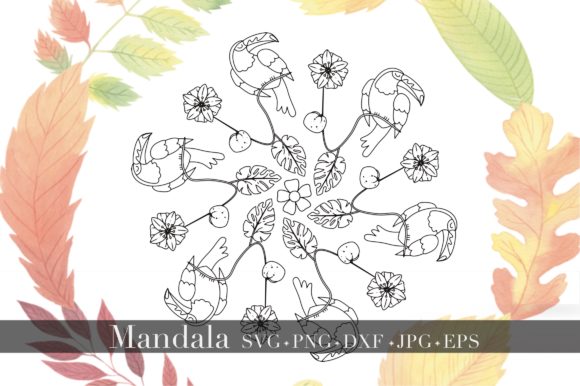
When I first opened the files for Mandala - Bird Tropical Forest, my initial thought wasn't about the technical specs or the file formats included. It was about the mood. There is a specific energy that comes from a well-balanced mandala, and this one carries it with a quiet confidence. The central bird motif, surrounded by the organic chaos of tropical foliage, creates a visual rhythm that feels both vintage and fresh. For an embroidery designer looking to add something unique to their portfolio, this design offers a perfect blend of intricate detail and structural symmetry.
I have spent years reviewing digital assets for commercial use, and I know that not every pretty picture translates well into thread. Some designs look stunning on a screen but become a mess of tangled stitches when pulled through fabric. My goal here is to walk you through how Mandala - Bird Tropical Forest performs in the real world, specifically when moving from a vector file to a tangible finished product. Whether you are an Etsy seller looking to boost your boutique listings or a hobbyist preparing a personalized gift, understanding the practical application of this illustration is key.
The First Stitch: Visual Impact and Design Personality
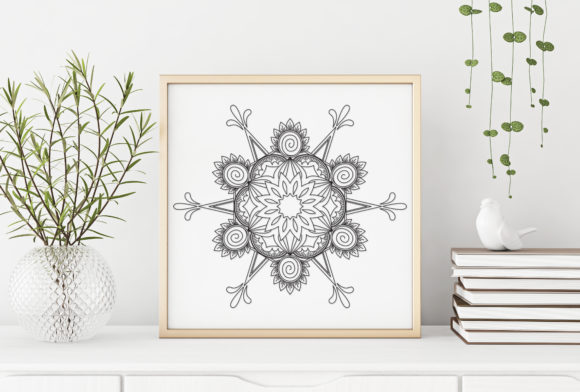
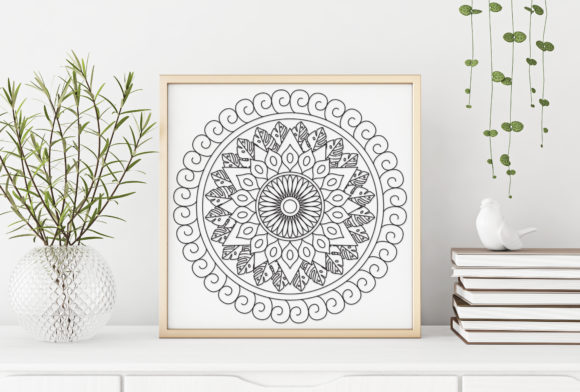
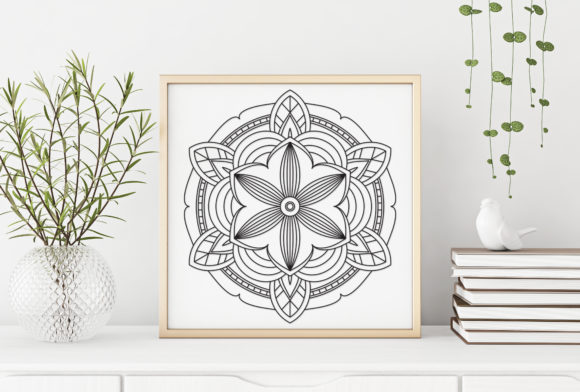
The layout of Mandala - Bird Tropical Forest is inherently circular, which makes it incredibly versatile for various embroidery applications. The radial symmetry draws the eye inward, centering attention on the bird while allowing the surrounding floral elements to create a frame. This is a classic composition that works beautifully for tote bag designs where the circle sits perfectly centered on the canvas panel. The vintage aesthetic suggests a timeless quality that appeals to customers who appreciate artisanal craftsmanship over mass-produced trends.
In terms of visual appeal, the design strikes a balance between complexity and clarity. The "tropical forest" theme introduces varied shapes—leaves, vines, and feathers—that offer excellent opportunities for texture variation. You can use different thread colors to distinguish the deep greens of the foliage from the vibrant plumage of the bird. However, the density of the pattern requires careful consideration. If the stitch density is too high, the fabric might pucker; if it is too low, the details might get lost. This design demands a thoughtful approach to thread selection and stabilizer choice to ensure the final product looks as professional as the mockup images suggest.
Real-World Application: From Digital File to Finished Product
Let's imagine a specific scenario. You are a small business owner preparing inventory for the upcoming holiday season. You want to create a line of custom embroidered aprons and kitchen towels featuring nature-inspired themes. Mandala - Bird Tropical Forest fits this niche perfectly. The tropical vibe evokes a sense of warmth and hospitality, making it ideal for kitchen decor. Imagine stitching this onto a heavy-duty cotton canvas apron using rich emerald threads for the leaves and a soft cream for the background. The result would be a high-end handmade product that stands out on a craft fair table.
Similarly, consider the potential for sweatshirt embroidery. A large, detailed mandala on the back of a crewneck sweatshirt creates a statement piece. The symmetry of the design ensures that even on a curved surface like a shoulder or upper back, the image remains balanced. For baby embroidery, such as on a onesie or a nursery pillow cover, the gentle curves of the mandala provide a soothing visual element. Parents often seek items that are not only cute but also artistically refined, and this design delivers that sophistication without being overly aggressive or loud.
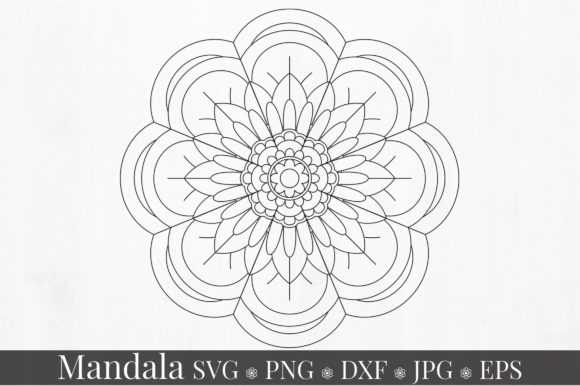
For those selling digital products or creating printable mockups, the inclusion of SVG, DXF, PNG, JPG, and EPS files is a significant advantage. These formats allow you to easily visualize the design in different contexts before committing to production. You can place the Mandala - Bird Tropical Forest graphic onto a digital image of a cap, a tote, or a patch to see how it interacts with the garment's shape. This step is crucial for Etsy sellers who need to present their small shop products accurately to attract buyers.
Where to Exercise Caution: Limitations and Challenges
While this design has immense potential, no single embroidery file is a universal solution. There are specific scenarios where Mandala - Bird Tropical Forest might require extra care or might simply not be the right choice. One of the primary concerns is the hoop size. Because the design is circular and likely contains a moderate amount of detail, attempting to stitch it in a very small hoop could result in clipping or distortion. Always verify the recommended hoop dimensions before starting a project on a compact item.
Fabric texture plays a massive role in the success of any machine embroidery design. On thin or stretchy fabrics like jersey knit, the tension required to hold the dense fill stitches of a mandala could cause the material to pucker significantly. In these cases, a strong cut-away stabilizer is non-negotiable. Furthermore, dark fabrics can sometimes obscure the finer details of the design unless you use a high-density underlay or a specific thread color strategy. If you plan to embroider this on a black t-shirt, you will need to carefully select your thread palette to ensure the bird and the leaves pop against the dark background.
Another area to watch is curved surfaces like caps or hats. While the mandala shape is round, the curvature of a hat crown can distort the outer edges of the design if the digitization isn't optimized for 3D surfaces. If the original digitization assumes a flat plane, you might end up with stretched lines at the top or bottom of the curve. Additionally, for products that need frequent washing, such as work aprons or children's clothing, the durability of the stitches is paramount. Ensure that the satin stitches used for the outlines are secure enough to withstand repeated laundering without fraying.
Professional Designer Notes for Success
Before you rush to start stitching, there are several practical steps every designer should take. First and foremost, always test the design on scrap fabric. This allows you to gauge the stitch density and adjust your settings accordingly. Check the thread color contrast by placing your chosen threads next to the design file to ensure the bird doesn't disappear into the foliage. Review the stitch types closely; a mix of satin stitch for borders, fill stitch for the main body, and running stitch for delicate details is usually the most effective combination for this type of illustration.
Confirming the hoop size and ensuring you have the proper stabilizer is equally important. If the design includes tiny lettering or extremely fine corners, inspect these areas in a zoomed-in view on your computer screen. Sometimes, what looks clear on a monitor becomes illegible when stitched. Testing the design in black and white mockups can also help you understand the value distribution within the image, ensuring that the focal point (the bird) remains the star of the show.
Finally, regarding licensing, always read the fine print. Even though this is a digital embroidery file intended for commercial use, some creators restrict the number of finished items you can sell or prohibit certain types of merchandise. Confirm whether you can use Mandala - Bird Tropical Forest for unlimited personal projects and commercial goods. This protects your craft business from legal issues and ensures you are building a sustainable brand.
Ultimately, Mandala - Bird Tropical Forest is a strong asset for any creative entrepreneur. Its blend of vintage charm and natural beauty makes it suitable for a wide range of projects, from holiday gifts to boutique branding. By approaching the digitization and execution with care, you can transform this vector illustration into a stunning embroidered patch or a cherished personalized gift that your customers will love. The difference between a good design and a great finished product often lies in the preparation and the respect you give to the medium.