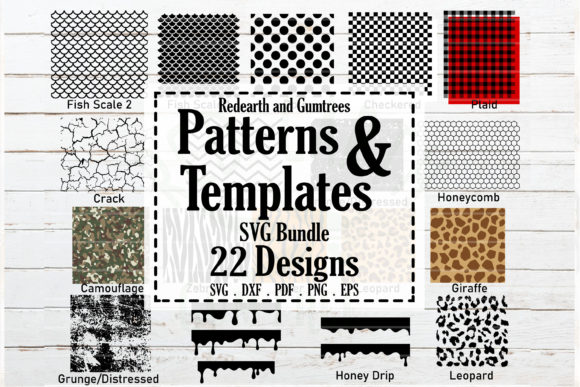
Patterns and Stencil Template Bundle Review
As someone who has spent years navigating the intersection of digital design and physical stitching, I approach every new asset with a mix of excitement and skepticism. The market is flooded with generic graphics that look great on a screen but fall apart under the needle. When I first laid eyes on the Patterns and Stencil Template Bundle, I wasn't just looking for another collection of shapes; I was evaluating whether this could serve as a reliable foundation for real-world embroidery projects, from quick personalized gifts to high-volume boutique merchandise.
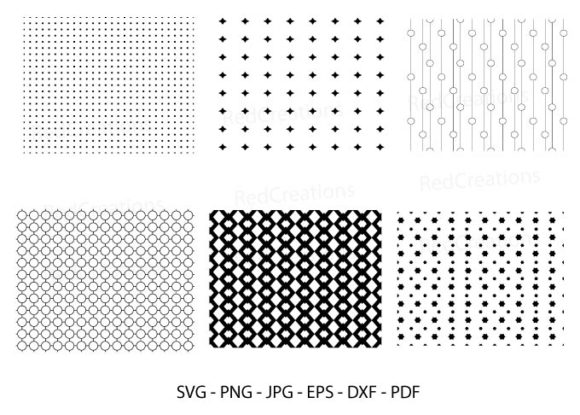
The initial download included SVG, PNG, DXF, PDF, and EPS formats, which immediately signals versatility. For an embroidery designer, having multiple file types means you aren't locked into a single workflow. You can use the vector files in your digitizing software to tweak stitch paths or the raster images for direct printing on transfer paper. But does the visual personality of the Patterns and Stencil Template Bundle translate well from a flat graphic to a textured, stitched surface? Let's walk through how this design package performs when it moves from the computer to the hoop.
First Impressions: Mood and Visual Potential
Before touching any machine, I assessed the design language. A good embroidery file needs to communicate its theme instantly, even before the thread touches the fabric. The Patterns and Stencil Template Bundle offers a clean, structured aesthetic that feels ready for customization. The stencils are defined enough to hold their shape during the stitching process but open enough to allow for creative interpretation.
The layout suggests a versatile mood suitable for various occasions. It doesn't scream "loud" or "overly complex"; instead, it offers a professional baseline that fits perfectly into modern handmade aesthetics. Whether you are creating a minimalist nursery decor piece or a bold statement tee, the core shapes provide a solid anchor. The detail level appears balanced, avoiding the trap of tiny elements that often get lost in dense satin stitches or obscure themselves in fabric texture.
Real-World Application: From Design to Finished Product
To truly test the Patterns and Stencil Template Bundle, I imagined a specific scenario: preparing a custom embroidered tote bag for a local craft fair. This is a common request for Etsy sellers and small shop owners who need products that look polished but are efficient to produce. The goal was to create a reusable shopping bag that felt artisanal yet durable.
In this context, the bundle proved highly effective. The clean lines of the stencil templates translated beautifully onto the canvas fabric. Because the designs are available in vector formats like SVG and DXF, I could easily adjust the scale to fit the tote without losing resolution. The result was a crisp, professional-looking logo that elevated the perceived value of the product. Customers at the fair didn't just see a printed bag; they saw a carefully crafted item with distinct stitching clarity.
I also considered how this design would perform on other items like sweatshirts, baby clothes, and holiday gifts. The simplicity of the patterns makes them ideal for delicate fabrics where heavy fill stitches might cause puckering. For a baby onesie, the design allows for a soft, subtle touch that feels safe and gentle. On a holiday gift item like a kitchen towel, the stencil nature of the design invites the user to add color variations, making each finished product feel unique and personal.
For commercial embroidery projects, such as branded aprons or caps, the Patterns and Stencil Template Bundle offers consistency. Small business owners know that brand recognition relies on uniformity. Since the assets are available in multiple formats, you can ensure that the design looks identical across different media, from a printable mockup to the final stitched garment.
Navigating Challenges: Where Caution is Key
No design is universally perfect, and understanding the limitations of the Patterns and Stencil Template Bundle is crucial for a successful outcome. While the shapes are robust, there are specific scenarios where you must exercise caution. If you are working with a very small hoop size, be mindful of the internal details. Tiny gaps within the stencil might not stabilize well if the surrounding fabric is loose or stretchy.
Textured fabrics present another consideration. While the design works well on smooth cottons and linens, applying it to thick fleece or heavily textured wool requires careful stabilizer selection. Without adequate support, the tension of the satin stitch could pull the fabric, distorting the intended shape of the pattern. Similarly, on dark fabrics, thread color contrast becomes paramount. A light-colored thread on a dark background might wash out if the stitch density isn't high enough, so always verify the thread choice against the fabric.
Curved surfaces like caps and hats also demand attention. Flat designs often need to be adjusted for curvature to avoid distortion at the edges. If the design includes intricate corners or tiny lettering, these areas should be tested thoroughly. Dense stitch areas can sometimes cause issues on thin fabrics, leading to visible puckering that detracts from the handmade appeal. Always inspect small details closely before committing to a large production run.
Design Notes for the Practical Designer
Before you rush to start your next project, here are some practical steps to ensure the Patterns and Stencil Template Bundle delivers the best results:
- Test on Scrap Fabric: Never assume a design will work perfectly on the final material. Run a test on a scrap piece of the same fabric to check for puckering, thread breakage, or alignment issues.
- Check Thread Color Contrast: Evaluate how the chosen thread colors interact with the fabric. High contrast ensures visibility, while low contrast can create a sophisticated, tonal look depending on your goal.
- Review Stitch Density: Ensure the stitch settings match the fabric weight. Too much density on light fabric causes damage; too little on heavy fabric looks sparse.
- Confirm Hoop Size: Verify that your machine's hoop size accommodates the design dimensions without cutting off critical details.
- Inspect Small Details: Zoom in on the digital file to ensure no stray points or broken lines exist that could confuse the digitizing software.
- Test in Black and White: Create a grayscale mockup to see if the design holds up visually without the distraction of color.
- Use Proper Stabilizer: Select the right stabilizer (cut-away, tear-away, or adhesive) based on the fabric type and the intended lifespan of the product.
- Licensing Check: Confirm whether the license allows for commercial use if you plan to sell the finished items or distribute the digital files.
Final Verdict on Visual Appeal and Value
The true measure of a design asset is how it impacts the final product's marketability. The Patterns and Stencil Template Bundle enhances the visual appeal of any project by providing a clear, professional structure. It builds customer trust because the finished product looks intentional and well-executed. For crafters and makers, this translates to higher satisfaction and repeat business.
When used correctly, this bundle elevates a simple handmade product into a premium item. It supports brand consistency, allowing you to maintain a cohesive look across your Etsy listings, social media previews, and physical inventory. Whether you are designing a personalized gift for a family member or creating a line of boutique apparel, the Patterns and Stencil Template Bundle serves as a reliable tool in your arsenal.
Ultimately, success in embroidery comes down to preparation and adaptation. By treating this design package as a flexible starting point rather than a rigid template, you unlock its full potential. It is a solid addition to any collection of design assets, offering the balance of creativity and technical reliability that serious designers need.