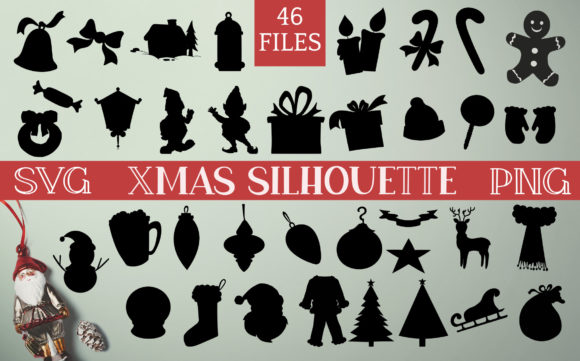
Christmas Silhouette Clip Art for Embroidery
As a designer who has spent years turning digital files into tangible, stitched treasures, I approach every new asset with a mix of excitement and skepticism. You never know if a download will be the missing piece for your next client project or just another file gathering dust in your library. Today, I am evaluating Christmas Silhouette Clip Art, a collection marketed as a versatile set of 46 shapes perfect for both physical and digital projects. My goal here is not to simply list features, but to walk you through how this design actually behaves when it hits the hoop, sits on a fabric surface, and faces the reality of a busy craft business.
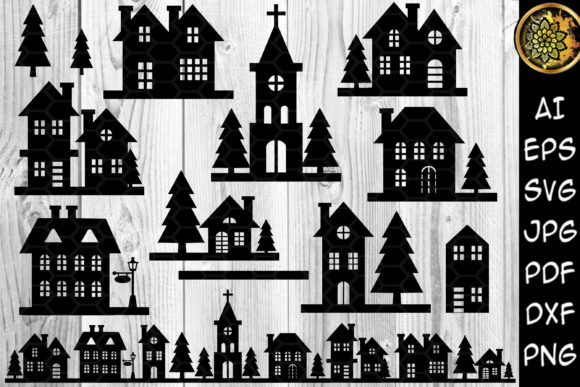
The first impression of Christmas Silhouette Clip Art is one of clean, graphic simplicity. In the world of machine embroidery, where stitch density and thread tension can easily ruin a delicate image, silhouettes are often the safest bet for high-quality results. This collection includes the classic icons we all expect: Santa, reindeer, ornaments, trees, stockings, gifts, candy, and more. The visual personality is bold and recognizable. It feels like a design that belongs on a rustic kitchen towel, a modern nursery wall hanging, or a boutique tote bag rather than a delicate lace handkerchief. The lack of intricate internal details suggests that these shapes were likely created with fill stitches or satin borders in mind, which is a strong indicator of durability in a finished product.
Real-World Application: From Digital File to Tote Bag
Let's imagine a real scenario. It is two weeks before the holiday rush, and you are an Etsy seller preparing inventory for a custom embroidered tote bag line. You need something that screams "holiday spirit" without looking cluttered or dated. You decide to test Christmas Silhouette Clip Art on a sturdy canvas tote. Because the design relies on solid shapes, the contrast between the thread color and the dark canvas creates a striking, professional look immediately.
When I reviewed the potential for this design, I considered how the silhouette would translate from a screen to a physical object. On a tote bag, the large, solid forms of the Christmas tree or the Santa hat allow for generous fill stitches. This means the texture of the stitching adds depth without losing the definition of the shape. If you were to use this for a baby onesie, the smooth lines would work beautifully with a satin stitch border, creating a soft yet durable finish that won't scratch a baby's skin. For a small business owner, this versatility is gold. The same design assets can be adapted for a sweatshirt embroidery project, a personalized gift apron, or even a patch for a denim jacket.
The collection includes 46 distinct shapes, which offers incredible flexibility for branding. A craft business might use a single ornament shape as a logo stamp on packaging, while using the full Santa silhouette for the main product decoration. This consistency helps build brand recognition. Customers associate that specific style of silhouette with your shop, making your handmade products feel more cohesive and trustworthy. When a buyer sees a pillow cover featuring the same clean aesthetic as their matching tea towels, they perceive higher value in the purchase.
Navigating Fabric Challenges and Stitch Density
However, not every fabric plays nice with every design. As an experienced reviewer, I have to point out where Christmas Silhouette Clip Art requires caution. While silhouettes are generally robust, the success of the final product depends heavily on your choice of stabilizer and fabric texture. If you attempt to stitch these shapes onto a thin, stretchy knit fabric without adequate backing, the tension of the fill stitches could cause puckering, ruining the crisp silhouette.
For curved surfaces like caps or hats, the layout of the design becomes critical. A large, complex arrangement of multiple shapes might distort around the curve of a cap's front panel. In these cases, selecting a single, smaller icon from the set—like a candy cane or a simple bell—is often a smarter move. Similarly, if you are working with textured fabrics like bouclé or heavy corduroy, the fine edges of the silhouette might get lost in the weave. These designs shine best on stable, medium-weight fabrics such as cotton twill, denim, or fleece.
Another consideration is the stitch density. Since the product description mentions these are shapes for craft projects, it implies they are likely optimized for standard fill patterns. If the design includes very small details, such as tiny lettering or intricate cutouts within the silhouette, you must be careful. Small details are prone to breaking down during washing, especially on items like kitchen towels that see frequent laundering. For commercial embroidery projects intended for resale, testing the design on scrap fabric is non-negotiable. You need to ensure that the thread colors chosen provide enough contrast against the background fabric to maintain the integrity of the silhouette.
Practical Notes for the Design Professional
Before you commit to a full production run, there are several technical steps every designer should take. First, always review the stitch density. High-density areas can make the fabric stiff and difficult to handle, particularly on apparel like baby clothes or fitted shirts. Check whether the design works well in black and white mockups; this helps you visualize the impact of the shapes without the distraction of color.
If you are planning to sell finished items or digital products, confirm the licensing terms immediately. Not all graphics labeled for "craft projects" allow for commercial resale. Ensure you have the right to sell items made with Christmas Silhouette Clip Art. Additionally, inspect the small details closely. Sometimes, what looks like a solid shape on a screen reveals jagged edges or loose threads when zoomed in at the pixel level. Correcting these issues before digitizing or hooping saves hours of frustration later.
Consider the end-use environment. For a holiday gift or a wedding favor, the presentation matters. A clean, well-stitched silhouette on a high-quality fabric elevates the perceived value of the item. Conversely, if the design is too dense or the thread choice clashes with the fabric, it can look amateurish. Use proper stabilizer to support the fabric during stitching, and choose thread colors that complement the season without overwhelming the design. Whether you are creating a printable mockup for your online store or a physical embroidered patch, the clarity of the silhouette is key to engaging buyers.
In conclusion, Christmas Silhouette Clip Art presents itself as a reliable, versatile tool for the modern crafter and designer. Its strength lies in its simplicity and adaptability across various mediums, from digital previews to heavy-duty apparel. By understanding the limitations of fabric texture and stitch density, and by following rigorous testing protocols, you can transform these 46 shapes into profitable, high-quality handmade products. It is a solid addition to any design asset library, provided you approach it with the practical mindset required for successful embroidery.